
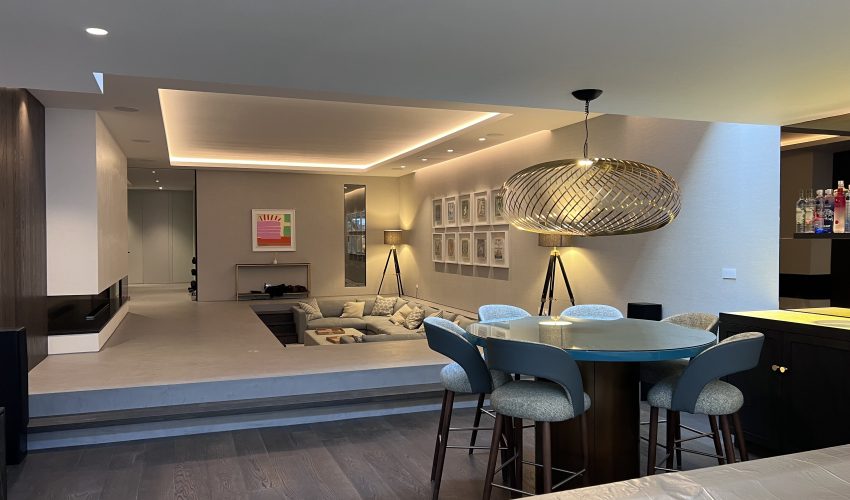
If you have a damp or musty basement, waterproofing is essential. With the UK’s consistently wet climate, water ingress is a common issue for below-ground spaces. Understanding how basement waterproofing works and which system suits your property can make all the difference in achieving a dry, usable space.
Basement Dampness in the UK
Basement dampness is widespread across the UK due to a combination of environmental and structural factors. Persistent rainfall, high groundwater levels, and the below-ground positioning of basements expose walls and floors to constant moisture pressure. Rainwater seepage, capillary action through masonry, and condensation also contribute significantly to damp conditions.
Consequences of Basement Dampness
Ignoring dampness can result in serious long-term problems. Moist environments encourage mould growth, which can impact health and indoor air quality. Prolonged moisture exposure can also weaken structural elements over time, potentially leading to costly repairs. Addressing damp early is crucial for protecting both your property and living conditions.
Main Types of Basement Waterproofing Systems
When waterproofing a basement, there are three recognised systems typically used in the UK. These are Type A tanking systems, Type B structurally integral waterproofing, and Type C cavity drain membrane systems. Each method works differently and is suited to specific scenarios depending on the building’s structure and the level of water ingress.
Type A Waterproofing: Tanking Systems
Type A waterproofing, commonly known as tanking, creates a waterproof barrier directly on internal basement walls and floors. This barrier prevents moisture from penetrating the interior space.
Tanking systems are effective at stopping water ingress and can transform previously unusable basements into dry areas. However, they are less effective against high or continuous water pressure and can be disrupted by structural movement. Installation can be invasive and costly, making this system better suited to basements with mild to moderate damp issues rather than severe groundwater challenges.
Type B Waterproofing: Structurally Integral Waterproofing
Type B waterproofing integrates water resistance into the structure of the building itself. This method is most commonly used during new-build construction, where concrete is designed to be inherently watertight.
The main advantage of structurally integral waterproofing is its longevity and minimal maintenance requirements. It also does not reduce internal space. However, installation requires specialist expertise, and retrofitting this system into existing properties can be complex and expensive.
Type C Waterproofing: Cavity Drain Membrane Systems
Cavity drain membrane systems take a different approach by managing water rather than trying to block it entirely. A membrane is installed on the basement walls and floors, allowing water to enter the cavity behind it. This water is then directed away through drainage channels, typically into a sump pump system.
This method is highly flexible and particularly well suited to older buildings where full waterproof barriers may not be practical. While effective and adaptable, cavity drain systems require ongoing maintenance to ensure drainage channels and pumps remain clear and operational. They also slightly reduce internal space due to the membrane installation.
Cavity Drain Systems vs Tanking
Choosing between tanking and cavity drain waterproofing depends largely on the condition of the property and the severity of moisture ingress. Cavity drain systems cope well with fluctuating water levels and structural movement, making them ideal for variable or severe damp conditions. Tanking systems provide a rigid, watertight seal but can fail over time if subjected to excessive pressure or building movement.
Ultimately, the intended use of the basement, maintenance expectations, and the property’s structural condition should guide the decision, supported by professional advice.
How to Choose the Right Basement Waterproofing System
There is no universal solution for basement waterproofing. Each system has distinct strengths and limitations, and the best choice depends on your basement’s specific conditions. Factors such as water pressure, building age, structural integrity, and planned room use all play a role.
A professional assessment is strongly recommended to correctly diagnose damp issues and recommend the most appropriate waterproofing solution. This ensures long-term performance, durability, and peace of mind.
Conclusion
Choosing the right basement waterproofing method is crucial for preserving your property’s value and longevity. Understanding the differences between tanking systems, structurally integral waterproofing, and cavity drain membrane systems allows homeowners to make informed decisions. With the right system and expert guidance, you can protect your basement from damp and create a dry, comfortable space for years to come.
Get a quote from our expert team today!