
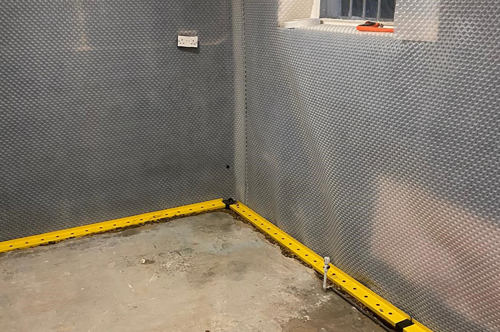
Basement waterproofing is a critical part of protecting your property, especially if it’s situated in an area known for heavy rains or flooding. Even with diligent research to find the best basement waterproofing, homeowners can face challenges like basement waterproofing failure UK, poorly sealed membrane joints, or unsuccessful basement conversions.
Why? Usually, these problems stem from installation mistakes that aren’t immediately apparent.
Membrane joints, crucial for basement waterproofing, act as a barrier, preventing water entry. However, inefficient installation and sealing often lead to basement membrane issues. Common mistakes include not adequately preparing the surface, leading to weak bonds, and applying too much or too little adhesive. Correct installation and routine maintenance can effectively mitigate these problems.
Importance of Drainage Channels in Basement Waterproofing
Drainage channels play a critical role in basement waterproofing by redirecting water away from your property.
Common Errors in Installation
Unfortunately, common mistakes in their installation, such as:
- Improper slope
- Incorrect location
These can set the stage for waterproofing failure.
Strategising Layout
It’s imperative to strategically plan the layout, ensuring that it directs water away from the foundation of the house.
Regular Maintenance
Regular maintenance is also critical. Actions such as cleaning debris can:
- Improve the effectiveness of these channels
- Prevent potential failures
Getting pump sizing right in basement waterproofing is crucial. Pick the wrong size, and you’re looking at inefficient drainage and possible flooding – prime reasons why tanking often fails. So, it’s not a ‘bigger is always better’ game. The right pump size for your basement hinges largely on specific variables such as the volume of water and the lift height. Doing your homework on pump sizing can literally save your basement! Maintenance isn’t a one-off; it’s continual.
Failing to regularly inspect your basement waterproofing can lead to sneakier issues, undermining your efforts. Some people forget to clean drainage channels, leading to clogging and ultimately, flooding. A neglected pump might fail without putting up a fight. To keep your basement bone dry, stick to a maintenance routine. Check all systems routinely for signs of wear or damage, and act promptly if you spot issues.
Structural Movement and Waterproofing Failure
Structural movement is a sneaky element that can lead to the failure of waterproofing measures. This phenomenon includes house settling or shifting, which can generate cracks and compromise the protective waterproofing shield.
Signs of Structural Movement
Keep an eye out for the following indicators of structural movement:
- Uneven floors
- Gaps around windows
These signs suggest structural movement is occurring.
Taking Prompt Action
Remember, it’s crucial to nip the issue in the bud. Seek professional help immediately upon noticing these signs. This immediate action can prevent your waterproofing measures from giving way.
Failed basement conversions often exacerbate waterproofing issues. They might disrupt existing waterproofing measures or introduce new weaknesses. Post-conversion, regular checks can spot problems early, helping prevent long-term damage. Stay vigilant and ensure your desire to improve your space doesn’t inadvertently compromise its resilience.
Basement waterproofing isn’t a one-and-done affair; vigilance is critical. Stay on top of common mistakes, and you’ll bolster your home’s resilience, reducing expenses in the process. For further in-depth guidance or for handling any concerns, don’t hesitate to reach out to us.