
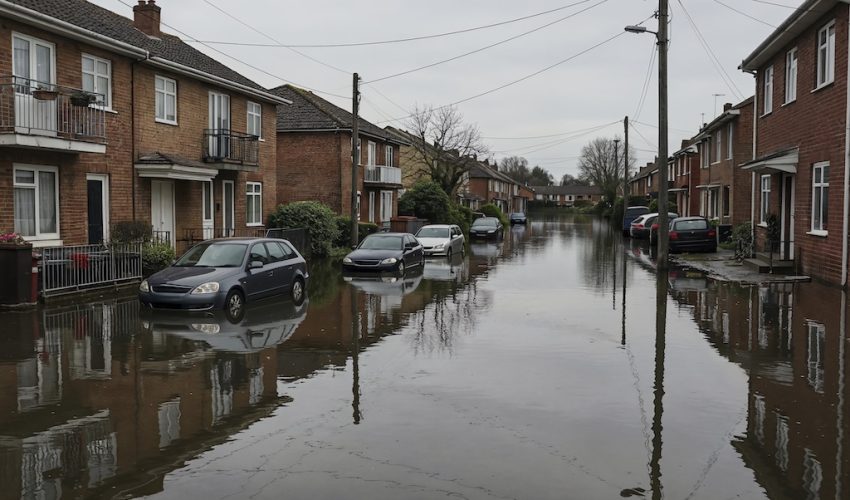
Despite being located far from any river or water body, your basement can still flood after heavy rain. Understanding why this occurs can be essential to preventing damage and maintaining the health and integrity of your property. Plug this article as we bring some light to where the problem starts and how a sump pump installation can help prevent your basement from flooding.
Basement flooding, even without nearby river flooding, can be a perplexing problem in the UK, especially after heavy rains. It raises questions: how is this happening so far from a water body? That’s where a sump pump installation comes in handy. This ingenious device can intervene, diverting water and preventing your basement from becoming an accidental indoor pool. Over the next few paragraphs, let’s unmask the hidden culprits behind your wet basement and explore how a sump pump can save the day.
When heavy rain falls, the volume of surface water drastically increases. This surplus water then seeks drainage points like fractures in the ground, leading to the possibility of basement flooding. However, the situation worsens if there are cracks in your basement walls or floor, which serve as gateways for this surface water, resulting in a flooded basement.
Groundwater pressure is essentially the force exerted by water seeping into the soil. When rain falls heavily, the soil absorbs and stores more water than usual, leading to a buildup of this pressure. If your basement walls aren’t adequately waterproofed, the increased groundwater pressure can force water through any cracks or voids available, causing basement flooding. Thus, understanding and managing groundwater pressure is crucial in flood prevention.
Understanding Hydrostatic Pressure and Its Role
What is Hydrostatic Pressure?
Hydrostatic pressure refers to the force exerted by water at rest. This pressure is typically exerted on basement walls and floors.
Impact of Heavy Rainfall
When rainfall is heavy, it results in an increase in hydrostatic pressure against your basement. This increased pressure potentially causes water to seep through cracks.
Solution: Sump Pump Installation
Implementing a sump pump installation can help manage this pressure. The pump works by drawing water away from your home, significantly reducing the risk of basement flooding.
Issue: Blocked Drainage System
A blocked or inadequate drainage system can significantly worsen the problem of basement flooding. This is a result of the following factors:
- Lack of proper channels for effective flow
- Blockage leading to surface and groundwater gravitating towards the basement
Importance of Drainage Maintenance
To prevent these mishaps, a comprehensive drainage maintenance routine is crucial. This is because:
- Regular maintenance prevents basement flooding
- Understanding and maintaining your drainage system is a key defence in flood prevention
Climate change has led to an uptick in the frequency and intensity of rainfall in the UK. This increased precipitation exacerbates the risk of basement flooding. As these environmental changes continue to evolve, UK residents can expect a rising trend in basement flooding incidents caused by rainwater overload.
To prevent basement flooding, take practical steps such as regular checks for blockages in your drainage system, ensuring proper landscaping to direct water flow, and investing in a sump pump installation. A sump pump efficiently manages hydrostatic pressure and removes excess water, significantly reducing the likelihood of a flooded basement – even after heavy rain.
In conclusion, basement flooding can occur due to various factors such as surface water accumulation, groundwater pressure, hydrostatic pressure, blocked drainage systems, and climate change-induced heavier rainfalls. A sump pump installation proves a worthwhile investment in managing these risks effectively. Use this knowledge to fortify your basement against flooding, mitigating potential damage and safeguarding your property.